As an Amazon Associate, TrueNorth Tech X earns from qualifying purchases. Read our affiliate disclosure.
If you’ve tried to buy a graphics card lately, you’ll know it’s grim. According to TechSpot’s Q4 2026 GPU pricing update, graphics card prices rose another 11% in October, and they’re now around 35% higher than three months ago. High-end Nvidia cards have been hit hardest. Here’s what’s happening, why, and what UK buyers can do about it.
Quick answer
- Prices are still rising: TechSpot found an 11% average jump in October across the 10 countries it tracks, and about 35% over three months.
- The high end is worst: TechSpot’s cheapest in-stock UK RTX 5090 went from £4,300 in September to £5,600 in October.
- Don’t bank on a quick drop: TechSpot says there are no signs of prices tapering off.
- Best moves: look at mid-range Radeon cards, keep your current card for longer, or hold off on other upgrades until you’ve price-checked them.
What’s happening to GPU prices?
TechSpot tracks the single cheapest in-stock price for each current gaming GPU in 10 countries, including the UK, using price comparison sites. On that basis, it says graphics cards rose 15% in August, 7% in September and 11% in October, roughly 35% over three months. It puts cards at an average of 44% above their launch prices (MSRP).
Here are TechSpot’s cheapest in-stock UK prices for September and October 2026. These are TechSpot’s figures, collected for its 2 November report, not prices we checked today, and you’ll often pay more for a specific brand or model.
| Card | Cheapest UK, Sept 2026 | Cheapest UK, Oct 2026 |
|---|---|---|
| RTX 5090 | £4,300 | £5,600 |
| RTX 5080 | £1,310 | £1,420 |
| RTX 5070 Ti | £1,000 | £1,130 |
| RTX 5070 | £700 | £740 |
| RTX 5060 Ti 16GB | £630 | £640 |
| RX 9070 XT | £705 | £760 |
| RX 9070 | £600 | £640 |
| RX 9060 XT 16GB | £460 | £510 |
Source: TechSpot, cheapest in-stock UK price found for each card, September and October 2026.
Why are graphics cards getting so expensive?
The biggest factor is the memory crunch. TweakTown points to soaring AI demand for memory, both system RAM and the video memory (VRAM) on graphics cards, which is pulling supply away from consumer products. TechSpot’s figures back that up in part: cards with 16GB of VRAM have risen by hundreds of dollars.
But TechSpot says memory isn’t the whole story. It argues the RTX 5080’s rise can’t be explained by memory costs alone, and suggests other factors may be at play, potentially including price gouging, demand for AI workloads and the lack of RTX 5090s. We covered the wider memory shortage in our RAM shortage explainer.
What about the RTX 5090?
Reports have claimed the RTX 5090 has been discontinued. TechRadar says Nvidia has firmly denied this, and that Nvidia Germany told overclocker Der8auer the same. Even so, supply looks very tight. TechRadar reports that laptop maker XMG has warned of “substantial price increases for upcoming GPU shipments” and increasingly constrained availability for the RTX 5090 laptop GPU, and that an unnamed board partner told Der8auer it can’t currently buy the chip and memory package for that laptop card.
Will prices go up again?
Possibly. TechSpot says retail industry sources told it the wholesale cost of RTX 5080s has risen significantly in recent weeks and that prices are set to rise further. Treat that as a report rather than a confirmed price rise. TechSpot also cites rumours, not confirmed by Nvidia, that a 24GB RTX 5080 could replace the current 16GB model in early 2027.
Should you buy now or wait?
TechSpot’s view is bleak: it expects prices to stay high for a long time and doesn’t think they’ll return to launch levels this generation. So waiting for a big drop is a gamble. Our advice:
- If your current card still works: wait if you can, and keep an eye on deals.
- If you need a card now: buy a mid-range card at a price you’re comfortable with rather than stretching for the high end.
- If you’re shopping in the sales: compare prices carefully. Our Black Friday 2026 UK guide explains how to spot a genuine deal.
Budget swaps: smarter options right now
TechSpot’s data shows Radeon cards holding value better than equivalent GeForce models. It says the RX 9060 XT 16GB remains the cheapest way to get 16GB of VRAM on a current-generation card, typically 20% to 40% cheaper than the RTX 5060 Ti 16GB. It also found the RX 9070 XT costs about the same as the RTX 5070 on average, while being 25% faster in its 52-game benchmark, with more VRAM.
| Product | Key spec | UK price at time of writing | Best for | Link |
|---|---|---|---|---|
| Sapphire Pure Radeon RX 9060 XT 16GB | 16GB GDDR6, mainstream 1080p/1440p | Check price | Cheapest current-gen route to 16GB of VRAM | View in our shop |
| Sapphire Pulse Radeon RX 9070 XT | 16GB GDDR6, three fans | £899.99 at Amazon (checked 3 Nov 2026) Check price | 1440p gaming, best value against the RTX 5070 in TechSpot’s data | View in our shop |
| MSI GeForce RTX 5070 Ventus 2X OC | 12GB GDDR7, 650W+ PSU recommended in the listing | £799.99 at Amazon (checked 3 Nov 2026) Check price | Nvidia features such as DLSS 4 | View in our shop |
| Keep your current card | Lower settings and use upscaling | £0 | Cards that still run your games well | N/A |
| Upgrade other parts | Check RAM and SSD prices first | Check price | Systems held back by something other than the GPU | Our upgrade guide |
Prices change often. Tap Check price on Amazon for today’s price.
Keep your current card for longer
If your card still runs your games, the cheapest upgrade is no upgrade. Dropping a few settings, or turning on upscaling such as AMD FSR or Nvidia DLSS where your card supports it, can buy you months. See our AMD FSR 4.1 coverage for more on upscaling.
Upgrade other parts, carefully
Sometimes a slow PC is held back by something else. But be warned: memory is affected by the same shortage, so RAM and some SSDs have also become more expensive. Price-check before you assume they’re the cheaper fix. If you do buy a bigger card, make sure your power supply can handle it; our RX 9070 XT PSU guide explains what to look for, and our RX 9060 XT vs RX 9070 XT comparison helps you pick between the two Radeons.
Verdict
GPU prices are still climbing, and the sources we’ve checked don’t point to relief soon. If you can wait, wait. If you can’t, mid-range Radeon cards currently offer the best value in TechSpot’s data, and there’s no shame in skipping the high end this generation. We haven’t tested these cards ourselves; this guide uses TechSpot’s pricing data and Amazon UK prices checked on 3 November 2026. See how we test and choose products.
FAQ
How much have GPU prices gone up?
TechSpot says graphics cards rose 11% on average in October and about 35% over the last three months, across the 10 countries it tracks.
Why are graphics cards so expensive in 2026?
AI demand for memory is a major factor, according to TweakTown, but TechSpot says other factors, possibly including price gouging and the lack of RTX 5090s, also play a part.
Has Nvidia discontinued the RTX 5090?
Nvidia has denied it, according to TechRadar, but supply is very tight. TechSpot’s cheapest in-stock UK RTX 5090 cost £5,600 in October.
Should I wait for GPU prices to drop?
TechSpot expects prices to stay high for a long time. If your current card works, waiting is sensible; if not, consider a mid-range card such as the RX 9060 XT 16GB or RX 9070 XT.
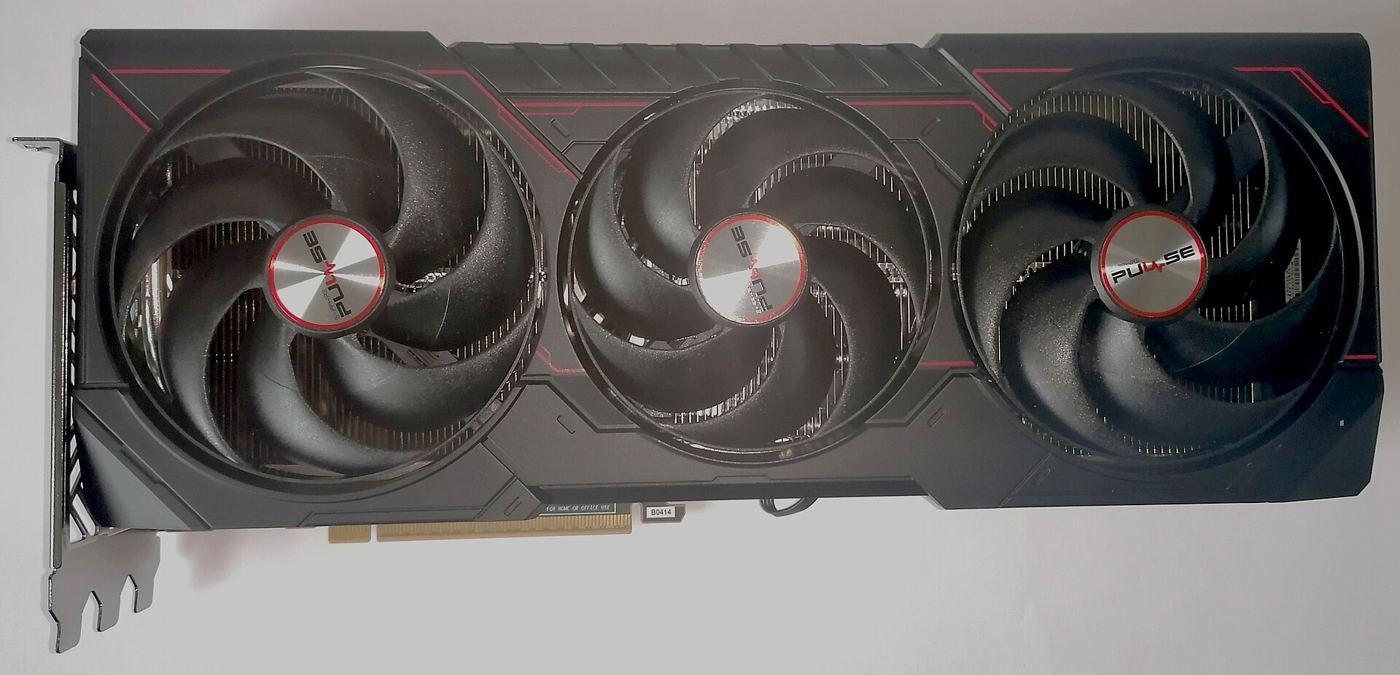
Featured image: Sapphire Pulse Radeon RX 9070 XT, photo by Chaddy via Wikimedia Commons, CC BY-SA 4.0.