Binance, the world’s biggest crypto exchange, has been hit by what’s being called the largest crypto hack on record. Binance’s own security incident update puts the damage at around $6.3bn (roughly £4.7bn), taken from its hot wallets on the evening of Thursday 29 October. If you’ve got money on Binance, here’s what we know, what we don’t, and what to do next.
This article is for information only and isn’t financial advice. Crypto is high-risk and you could lose all the money you put in.
This is a developing story. Last updated 13:27 UK, 30 Oct 2026.
Quick answer
- What happened: attackers moved roughly $6.3bn to $6.4bn out of Binance hot wallets. Binance says it may have started with a compromised engineer’s laptop.
- Is your money safe? Binance says user funds are safe and it will cover all losses. That’s Binance’s promise, not an independent guarantee.
- Can you withdraw? Not yet. Binance says withdrawals should restart in about 45 hours from Friday morning. Deposits are working.
- What to do: don’t panic, ignore “refund” or “compensation” messages, and only use the official app or a web address you already trust.

What happened at Binance?
Money started leaving Binance’s hot wallets at around 8pm UK time on 29 October. TRM Labs puts the total at about $6.36bn across ten blockchains, most of it moved in roughly 20 minutes, and Chainalysis says about $6.4bn. Either way, it’s about four times the $1.5bn taken from Bybit in 2025, the previous record.
Binance says its first findings point to “a compromised DevOps engineer’s laptop”, which let an attacker into a service container to send unauthorised withdrawals. It says it’s found no sign of a wallet private key leak. Later on Friday, the BBC’s live page reported Binance saying it had “uncovered additional points of breach”, so the full picture isn’t in yet.
Who’s behind it?
Chainalysis and TRM Labs both believe it’s TraderTraitor, a North Korean hacking unit often linked with the Lazarus Group. Binance hasn’t confirmed who did it, and North Korea has always denied these attacks, so treat that as the analysts’ view for now.
Is customers’ money safe?
Binance says yes, and that it’ll cover all losses from SAFU (its Secure Asset Fund for Users) and company funds. According to the BBC, Binance says it has set aside over $6.3bn, around $5bn of it already in the same tokens that were taken. About $3bn has been frozen with help from stablecoin issuers and partners, says Binance. Chainalysis’s figure is about $2.8bn and TRM’s about $2.7bn.
One thing UK readers should know: the FCA told the BBC that Binance isn’t registered with it to provide crypto services here, though it’s talking to the firm. The usual UK safety nets for bank savings don’t cover crypto, as the FCA’s own crypto guidance makes clear. Binance.US, a separate business, says it wasn’t hit.
When can you withdraw?
At 8:47am UK on Friday, Binance said it was “on track” to resume withdrawals in 45 hours, which points to around 5:45am on Sunday 1 November (MarketWatch has more). That’s an estimate, not a promise. Deposits are working as normal.
What should you do now?
- Don’t panic-sell. Bitcoin dipped to about $76,470 overnight, says Reuters, and was near $77,465 on Friday according to CNBC. Selling in a rush often locks in a loss.
- Watch for scams. Big hacks bring the chancers out. Expect fake “refund”, “compensation” or “move your coins to a safe wallet” messages and fake support accounts.
- Never share your seed phrase, password or 2FA codes. Binance won’t ask for them, and nobody genuine will.
- Use official channels only. Open the app or type the address yourself. Don’t tap links in texts, emails or DMs.
- Tighten up. Use app-based two-factor login and keep your devices patched. Our guide to keeping Windows 11 up to date is a good start.
Why hot wallets carry more risk
A hot wallet is connected to the internet so an exchange can process withdrawals quickly. That’s also the weak spot: get into the systems that sign transactions and you can move money fast. Leaving coins on an exchange means trusting that firm to look after them.
Self-custody, where you hold your own keys, takes the exchange out of the picture, but it isn’t risk-free. Lose your recovery phrase and nobody can help you, and scammers target self-custody users too. Neither suits everyone. It’s also a reminder of how much damage one device with wide access can do, much like Microsoft’s warning about how much access to give AI agents.
What we think
It’s a right blow to Binance’s reputation, but its response so far has been quick: money frozen, losses promised and a timeline given. The real test is whether withdrawals come back on time and customers are made whole. Until then, don’t rush, ignore anyone offering a refund, and keep your login details to yourself. If it’s got you thinking about security at home too, see our home security camera setup guide.
FAQ
Will I get my money back?
Binance says it will cover all losses from SAFU and company money. That’s a company promise, and as Binance isn’t FCA-registered, UK compensation schemes are unlikely to help.
When will Binance withdrawals resume?
Binance said on Friday morning it was on track for about 45 hours’ time, so early Sunday 1 November, UK time. Treat it as an estimate.
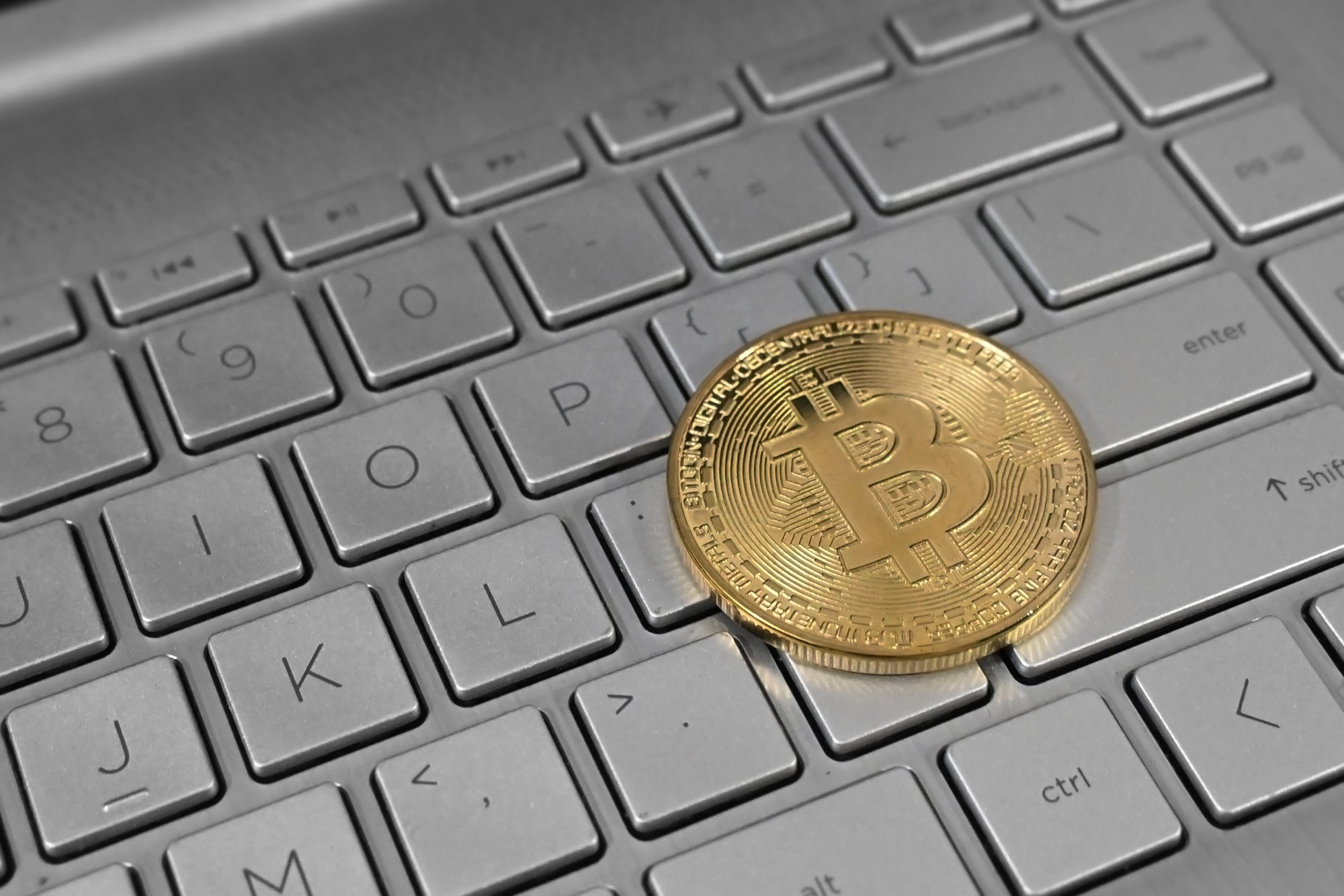
Featured image: Bitcoin token on a laptop keyboard by Satheesh Sankaran, via Wikimedia Commons (CC BY 2.0).