If you’ve priced up a PC upgrade lately and wondered why a stick of memory or an SSD costs so much more than it did last year, you’re not imagining it. Memory and SSD prices are still climbing, and according to the industry’s own forecasts this week, they aren’t going to get cheaper any time soon.
On 20 October, TrendForce reported that DRAM contract prices (what manufacturers charge big buyers) are expected to rise by about 20% in the final quarter of 2026, compared with the previous quarter. That’s actually a slowdown. Prices rose roughly 80% in the second quarter and 40% in the third. But it’s still another rise on top of an already steep climb.
Quick answer: AI data centres are soaking up the world’s memory supply, so RAM and SSD prices keep rising. TrendForce expects DRAM contract prices to rise about 20% this quarter, and Micron says supply is “only getting tighter”, with 75% of its 2027 output already accounted for. If you genuinely need an upgrade, waiting for prices to fall probably won’t pay off this time.
Why memory has become so expensive
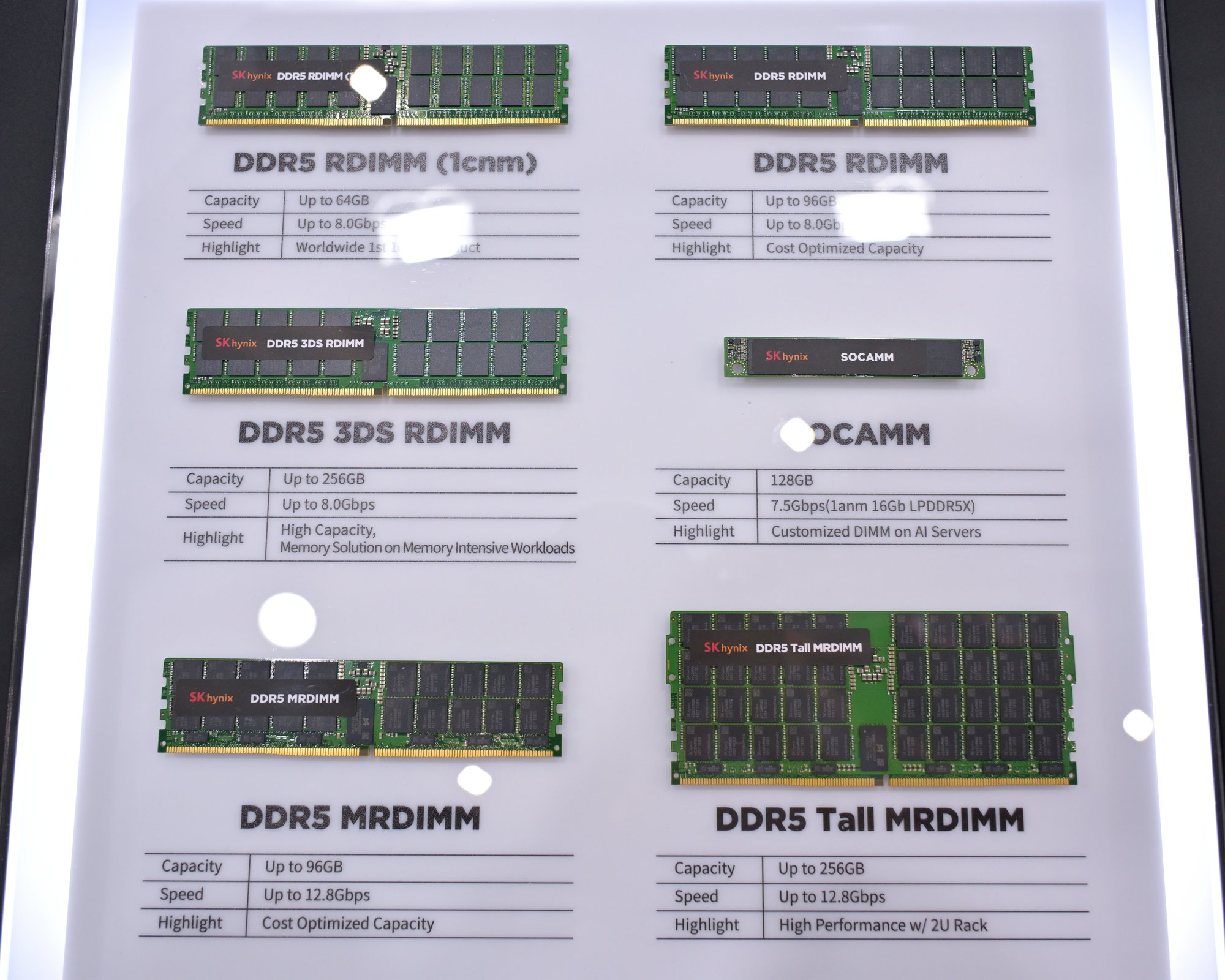
The short version is AI. The data centres that run AI models need vast amounts of memory, especially high-bandwidth memory (HBM), a specialised kind of DRAM that feeds data to AI processors. Memory makers can only make so many chips, and AI customers are signing big, long-term contracts at higher prices. So production capacity is being steered towards servers and AI, and away from the memory that ends up in our PCs and phones.
Micron, one of the world’s biggest memory makers, made this very clear. As Ars Technica reports, Micron CEO Sanjay Mehrotra told investors: “Overall, supply-demand environment is only getting tighter.” He said 75% of Micron’s memory output for 2027 is already accounted for, and that “a large part of the volume is already sold out for 2027 for HBM, and the prices are much higher than 2026 prices.”
Micron plans new manufacturing clean rooms in 2028, but Mehrotra warned that even then production “ramps up only gradually”. Ars Technica notes that Micron no longer sells consumer RAM at all, and that executives at both Micron and Samsung expect the shortage to last for at least the next couple of years.
How big are the rises?
For shoppers, the numbers are eye-watering. An analysis by The National of Amazon US prices found a 32GB Corsair memory kit that cost $52 in June 2025 was selling for $250 by September 2026. A Crucial 1TB SSD went from $100 to $392. Across 18 popular memory and storage products, every one had gone up, by between 85% and 553%.
Those are US prices and UK figures will differ. But the cause is global, and anyone who has shopped for RAM or SSDs in Britain this year will recognise the pattern. It’s not just memory, either. When memory costs more, so do the laptops, phones and prebuilt PCs that use it. Ars Technica notes that the shortage has pushed PC makers to offer lower RAM configurations.
Is there any relief on the horizon?
Possibly, but not soon. TrendForce notes that China’s CXMT has announced progress on a new DRAM design that could, in theory, pack memory cells more tightly. However, industry sources caution that mass production still faces challenges, and full commercialisation is generally expected after 2028. TrendForce also reports that some large tech companies have floated using Chinese suppliers to push prices down, but analysts see limited near-term pressure on prices.
In other words, the “wait six months and it’ll be cheaper” approach that worked for years with PC parts probably won’t work this time.
What this means for you
Whether you’re a gamer, a home user or a small business with a few machines to keep running, here’s our practical advice:
- If you need it, don’t wait for a price drop. Forecasts point to more rises through next year. If an upgrade is genuinely needed now, holding off is more likely to cost you more than less.
- Buy the right amount, once. For most everyday and office use, 16GB of RAM is still workable. For gaming, creative work or heavy multitasking, 32GB gives you more headroom. Buying enough at the start saves paying inflated prices again later.
- Check spec sheets on new laptops carefully. With makers trimming memory to keep prices down, a “bargain” laptop may come with less RAM than you’d expect. Check whether the memory is soldered (so it can’t be upgraded later) before you buy.
- Upgrade rather than replace. A faster SSD or extra RAM can give an older PC a new lease of life, and it’s still usually far cheaper than buying a whole new machine at today’s prices.
- Look after what you have. Back up regularly and keep an eye on drive health. Replacing a failed SSD in a hurry is the most expensive way to buy one right now.
- Businesses: budget for it. If you’re planning a hardware refresh in 2027, build higher memory and storage costs into the budget now, and consider staggering purchases.
Planning an upgrade anyway? Our guide to the best RAM and storage upgrades for a gaming PC or Xbox covers what’s worth buying, and if you’re adding an M.2 drive to a console, see how to fit an M.2 SSD in a PS5.
The balanced view
It’s worth keeping some perspective. TrendForce’s forecast shows price rises slowing, partly because buyers are pushing back and long-term contracts are capping prices. Forecasts can be wrong, and memory has always been a boom-and-bust market. But for now, the people who make the chips are saying plainly that demand will outstrip supply for the next couple of years.
FAQ
Why are RAM and SSD prices going up?
AI data centres need huge amounts of memory, especially HBM, and AI customers are signing big long-term contracts at higher prices. Memory makers are steering production towards them and away from the memory used in PCs and phones.
How much are DRAM prices expected to rise?
TrendForce expects DRAM contract prices to rise about 20% in the final quarter of 2026 compared with the previous quarter, after rises of roughly 80% in the second quarter and 40% in the third.
When will memory prices come down?
Not soon, on current forecasts. Micron plans new clean rooms in 2028 but says production will ramp up only gradually, and executives at Micron and Samsung expect the shortage to last at least the next couple of years.
Our verdict
We’d plan on prices staying high rather than hoping for a sudden drop. If an upgrade is genuinely needed, buy the right amount once and look after the kit you already have.
If an SSD upgrade is on your list, we stock the Samsung 990 EVO Plus 1TB NVMe M.2 SSD. It’s a sensible way to speed up a compatible desktop or laptop without replacing the whole machine. Not sure if it’ll fit yours? Get in touch with us here in Wakefield and we’ll check for you.
Featured image: 4300streetcar via Wikimedia Commons (CC BY 4.0)
[…] has been caught up in the same squeeze. As we reported in memory and SSD prices are still climbing, and chipmakers say the squeeze will last until 2028, the industry isn’t expecting quick relief. So the honest advice is to buy what you need, not […]
[…] Two things stand out. First, the UK pays the same number in pounds as the US pays in dollars, which Hardvance works out as roughly 10% more than the US price once you add VAT. Second, memory is where the price climbs. On the Surface, going from 64GB to 128GB adds £1,600, and the memory is soldered, so you can’t upgrade it later. That’s no surprise given memory and SSD prices are still climbing. […]