Shopping for a new TV and every premium model seems to say either OLED or Mini LED? They’re the two best TV technologies you can buy, and both look a big step up from a basic LED set. But they get there in very different ways, and the right one depends on your room and what you watch. Here’s our plain-English guide to OLED vs Mini LED TV.
Quick answer
- Choose OLED for the best blacks and contrast, wide viewing angles and film nights in a dim room.
- Choose Mini LED for a bright, sunny living room, lots of daytime TV and sport, and no burn-in worries.
- On a tighter budget, Mini LED usually gets you a bigger screen for the money.
How OLED works
OLED stands for organic light-emitting diode. As LG explains, every pixel on an OLED TV makes its own light, with no backlight behind it. Each pixel can switch off completely, which gives true black and very high contrast. That’s why a starfield or a dark film scene looks so striking on OLED.
How Mini LED works
A Mini LED TV is still an LCD TV, but its backlight uses thousands of tiny LEDs instead of a few larger ones. Samsung says that lets the TV control light much more precisely, using local dimming zones that dim dark parts of the picture while keeping bright parts bright. The more zones, the better the contrast. But each zone still covers many pixels, so it can’t match OLED’s pixel-by-pixel control.
OLED vs Mini LED: the key differences
Black levels and contrast: OLED wins
TechRadar’s comparison gives this round easily to OLED, because its pixels can turn off completely. Mini LED gets much closer than an ordinary LED TV, but bright objects on a dark background can show a faint glow around them, called blooming or the halo effect.
Brightness: Mini LED wins
This is Mini LED’s big strength. TechRadar says many Mini LED TVs comfortably reach around 1,500 nits at peak, while many OLEDs still can’t hit 1,000, though newer QD-OLED and MLA panels have narrowed the gap a lot. If your lounge gets a lot of sun, a Mini LED will hold up better in the daytime.
Burn-in: Mini LED wins
OLED’s weak spot is burn-in: a faint, lasting ghost of something that sat on screen for a long time, like a news ticker, a channel logo or a game’s HUD. TechRadar says modern OLEDs are less prone to it thanks to features like pixel refresh cycles, but it’s still a risk OLED can’t fully shake. Mini LED TVs don’t burn in in the same way. RTINGS has run a long-term real-life burn-in test on OLED TVs if you want to dig into the detail.
For most people watching a mix of TV, films and games, burn-in isn’t something to lose sleep over. It’s more of a concern if you watch the same channel with a static logo for hours every day, or plan to use the TV as a PC monitor.
Viewing angles: OLED wins
If your sofa is wide or people sit off to the side, OLED keeps its colour and contrast much better from an angle. On most Mini LED TVs, the picture can look a bit washed out if you’re not sitting fairly central.
Gaming: close
TechRadar calls gaming a tie. OLED has very fast response times, which suits shooters and racing games. Mini LED is responsive too and avoids the burn-in risk from static HUDs during long sessions. TechRadar notes both come with high refresh rates, up to 144Hz on some models, but check the exact spec of any TV you’re considering, along with HDMI 2.1 support for a PS5 or Xbox Series X.
Price: Mini LED usually wins
OLED panels cost more to make, so at the same screen size a Mini LED is usually the cheaper option, or gets you a bigger screen for the same money.
Which should you buy?
- Dark-room film fan: OLED. The blacks and contrast are hard to beat.
- Bright living room, daytime TV and sport: Mini LED, for its extra brightness.
- Gamer: either works. OLED for the fastest response, Mini LED if you play the same game with a fixed HUD for hours.
- Wide seating: OLED, for its viewing angles.
- Biggest screen for the money: Mini LED.
What if neither fits your budget?
A standard LED TV is still a sensible buy, especially for a bedroom or a second room. Just know what you’re getting. For example, the Hisense 55E6QTUK in our shop is a 55-inch 4K set with a direct-lit LED backlight, not OLED or Mini LED, according to Hisense’s spec page. You can browse all our TVs and streaming sticks in the shop.
Big TV purchases are often worth timing around the sales. Our Black Friday 2026 guide covers what to expect, and if you’re buying for a console, see our PS5 prep guide for GTA 6.
Verdict
On pure picture quality, OLED still edges it, thanks to perfect blacks, superb contrast and wide viewing angles. But Mini LED is the better choice for many UK living rooms: it’s brighter, usually cheaper and has no burn-in worries. Pick OLED for a dimmer room and films, and Mini LED for a bright room and lots of daytime viewing. We haven’t tested specific TVs for this guide; it’s based on the makers’ explanations and published testing. See how we test and choose products.
FAQ
Is OLED better than Mini LED?
For black levels, contrast and viewing angles, yes. Mini LED is brighter, usually cheaper and doesn’t suffer from burn-in, so it can be the better choice for a bright room.
Do Mini LED TVs get burn-in?
Not in the way OLED TVs can. Burn-in is linked to OLED’s organic pixels. Mini LED TVs use an LCD panel with an LED backlight.
What is blooming on a Mini LED TV?
Blooming, or the halo effect, is a faint glow around bright objects on a dark background. It happens because each dimming zone in the backlight covers many pixels.
Is OLED good for gaming?
Yes. OLED TVs have very fast response times. If you play one game with a fixed HUD for many hours a day, keep burn-in protection features switched on, or consider Mini LED.
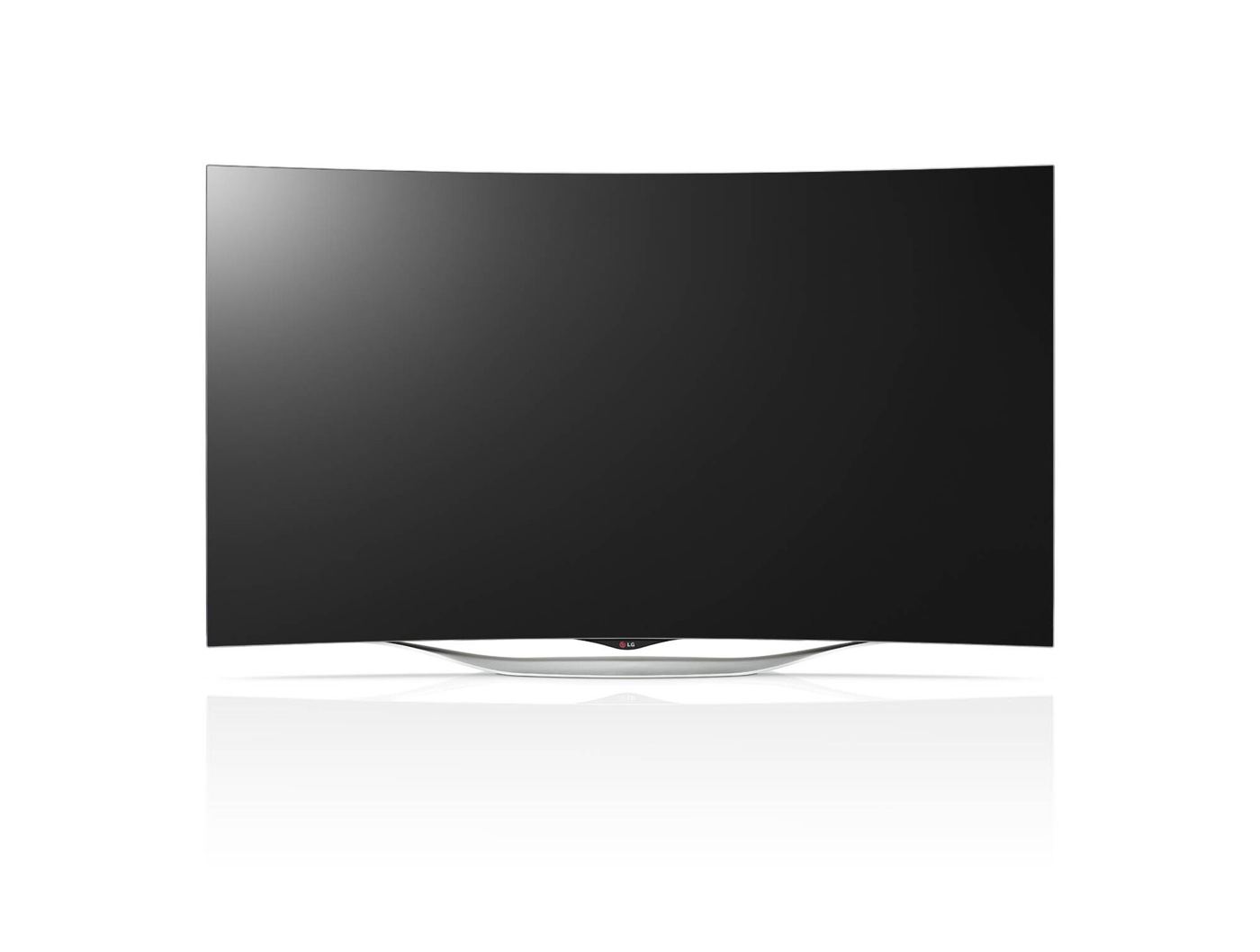
Featured image: LG OLED TV, photo by LG Electronics via Wikimedia Commons, CC BY 2.0.